Available courses

This course provides students with the knowledge and practical skills required for the safe and effective operational use of the Electronic Chart Display and Information System (ECDIS) in accordance with JCMA No. 01, s. 2024. It covers the significance of ECDIS in modern navigation, including IMO performance standards, safety functions, operational capabilities and limitations, electronic navigational charts (ENCs), chart information management, and the dangers of overreliance on electronic navigation systems. Students will develop competency in operating ECDIS, interpreting navigational data, managing display settings and information layers, monitoring vessel position, responding to alarms, and integrating information from radar, AIS, and other interfaced equipment to support safe navigation and voyage monitoring.
This course provides students with the knowledge and practical skills required for the safe and effective operational use of the Electronic Chart Display and Information System (ECDIS) in accordance with JCMA No. 01, s. 2024. It covers the significance of ECDIS in modern navigation, including IMO performance standards, safety functions, operational capabilities and limitations, electronic navigational charts (ENCs), chart information management, and the dangers of overreliance on electronic navigation systems. Students will develop competency in operating ECDIS, interpreting navigational data, managing display settings and information layers, monitoring vessel position, responding to alarms, and integrating information from radar, AIS, and other interfaced equipment to support safe navigation and voyage monitoring.

This course provides students with the knowledge and practical skills required for the safe and effective operational use of the Electronic Chart Display and Information System (ECDIS) in accordance with JCMA No. 01, s. 2024. It covers the significance of ECDIS in modern navigation, including IMO performance standards, safety functions, operational capabilities and limitations, electronic navigational charts (ENCs), chart information management, and the dangers of overreliance on electronic navigation systems. Students will develop competency in operating ECDIS, interpreting navigational data, managing display settings and information layers, monitoring vessel position, responding to alarms, and integrating information from radar, AIS, and other interfaced equipment to support safe navigation and voyage monitoring.


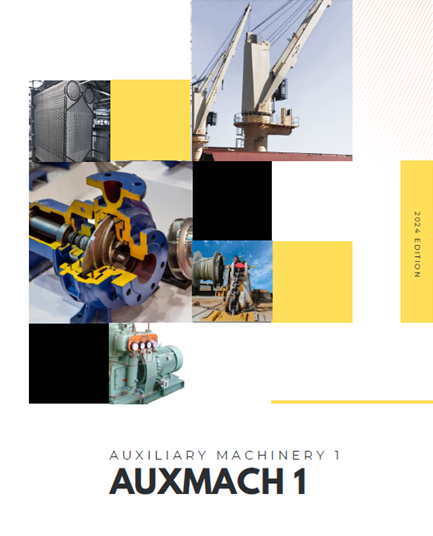
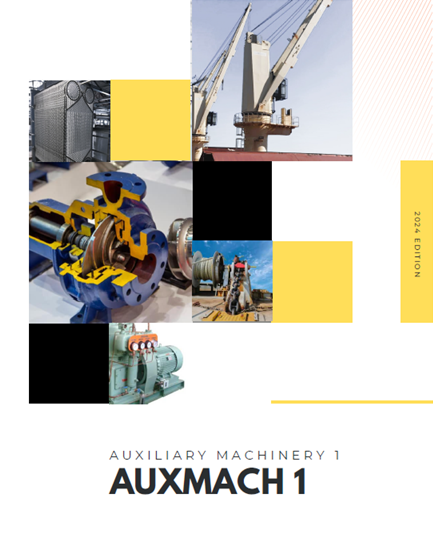
This course deals with the functions Marine Engineering at the Operational and Management Levels. The course provides students with the knowledge, understanding and proficiencies to be able to Operate main and auxiliary machinery and associated control systems, operate fuel, lubrication, ballast, and other pumping systems and associated control systems. This includes monitoring, preparation, and securing, major components and functions of auxiliary machineries in accordance with established safety and anti-pollution protocols during operations

  This course covers the specific knowledge, understanding, and proficiency (KUPs) and competences under function 1 (marine engineering at the operational level) in table A-III/1 of the STCW Code as indicated below, as well as the knowledge, understanding, and proficiency (KUPs) and competences under function 1 (marine engineering at the management level) in table A-III/2 of the STCW Code for marine gas turbine engine to be able the students to achieve the course outcomes at the end of the course. Which include topics such as; Basic Construction and Operation Principles of Marine Gas Turbine, Parts, Types, Auxiliary system, Shafting installations and Propeller, Propeller parameters, Types of Propeller, Propeller Geometric Date, Marine Power Transmission, Marine Propulsion Plant, Operating Procedures, Maintenance Procedures and Watchkeeping Procedures.

  This course covers the specific knowledge, understanding, and proficiency (KUPs) and competences under function 1 (marine engineering at the operational level) in table A-III/1 of the STCW Code as indicated below, as well as the knowledge, understanding, and proficiency (KUPs) and competences under function 1 (marine engineering at the management level) in table A-III/2 of the STCW Code for marine gas turbine engine to be able the students to achieve the course outcomes at the end of the course. Which include topics such as; Basic Construction and Operation Principles of Marine Gas Turbine, Parts, Types, Auxiliary system, Shafting installations and Propeller, Propeller parameters, Types of Propeller, Propeller Geometric Date, Marine Power Transmission, Marine Propulsion Plant, Operating Procedures, Maintenance Procedures and Watchkeeping Procedures.

  This course covers the specific knowledge, understanding, and proficiency (KUPs) and competences under function 1 (marine engineering at the operational level) in table A-III/1 of the STCW Code as indicated below, as well as the knowledge, understanding, and proficiency (KUPs) and competences under function 1 (marine engineering at the management level) in table A-III/2 of the STCW Code for marine gas turbine engine to be able the students to achieve the course outcomes at the end of the course. Which include topics such as; Basic Construction and Operation Principles of Marine Gas Turbine, Parts, Types, Auxiliary system, Shafting installations and Propeller, Propeller parameters, Types of Propeller, Propeller Geometric Date, Marine Power Transmission, Marine Propulsion Plant, Operating Procedures, Maintenance Procedures and Watchkeeping Procedures.

  This course covers the specific knowledge, understanding, and proficiency (KUPs) and competences under function 1 (marine engineering at the operational level) in table A-III/1 of the STCW Code as indicated below, as well as the knowledge, understanding, and proficiency (KUPs) and competences under function 1 (marine engineering at the management level) in table A-III/2 of the STCW Code for marine gas turbine engine to be able the students to achieve the course outcomes at the end of the course. Which include topics such as; Basic Construction and Operation Principles of Marine Gas Turbine, Parts, Types, Auxiliary system, Shafting installations and Propeller, Propeller parameters, Types of Propeller, Propeller Geometric Date, Marine Power Transmission, Marine Propulsion Plant, Operating Procedures, Maintenance Procedures and Watchkeeping Procedures.

  This course covers the specific knowledge, understanding, and proficiency (KUPs) and competences under function 1 (marine engineering at the operational level) in table A-III/1 of the STCW Code as indicated below, as well as the knowledge, understanding, and proficiency (KUPs) and competences under function 1 (marine engineering at the management level) in table A-III/2 of the STCW Code for marine gas turbine engine to be able the students to achieve the course outcomes at the end of the course. Which include topics such as; Basic Construction and Operation Principles of Marine Gas Turbine, Parts, Types, Auxiliary system, Shafting installations and Propeller, Propeller parameters, Types of Propeller, Propeller Geometric Date, Marine Power Transmission, Marine Propulsion Plant, Operating Procedures, Maintenance Procedures and Watchkeeping Procedures.


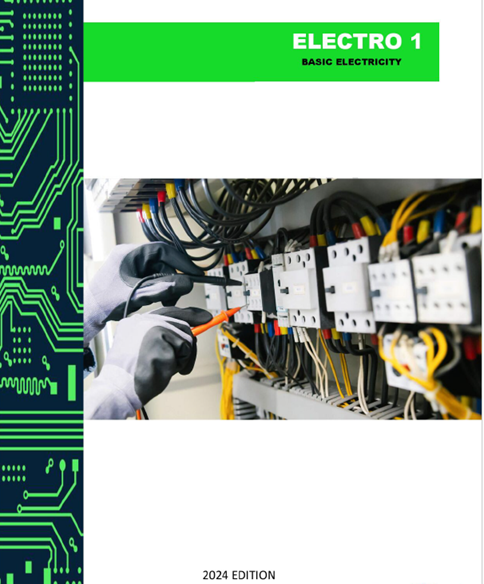
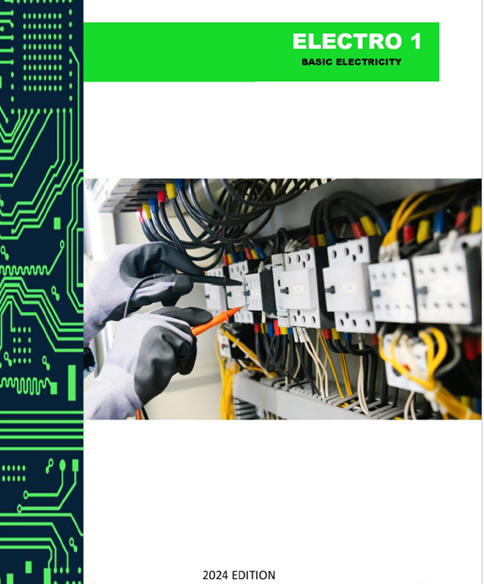
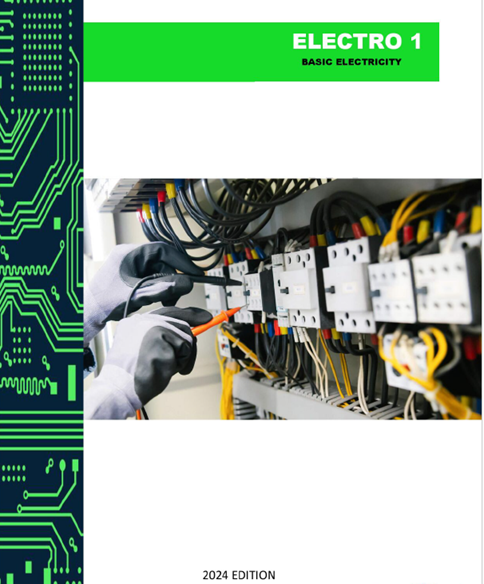
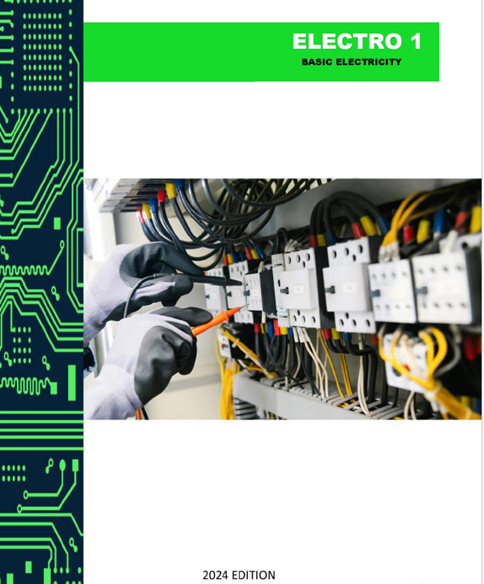
This course covers the competencies of operating electrical, electronic, and control systems and maintenance and repair of electrical and electronic equipment. It also aims to provide students with fundamental knowledge and skills in electrical circuits, electrical diagrams, and electrical safety, tools and equipment, D.C. Circuits, and A.C. Circuits.


This course covers the competencies of operating electrical, electronic, and control systems and maintenance and repair of electrical and electronic equipment. It also aims to provide students with fundamental knowledge and skills in electrical circuits, electrical diagrams, and electrical safety, tools and equipment, D.C. Circuits, and A.C. Circuits.


This course covers the competencies of operating electrical, electronic, and control systems and maintenance and repair of electrical and electronic equipment. It also aims to provide students with fundamental knowledge and skills in electrical circuits, electrical diagrams, and electrical safety, tools and equipment, D.C. Circuits, and A.C. Circuits.

  This course covers the specific knowledge, understanding, and proficiency (KUPs) and competences under function 1 (marine engineering at the operational level) in table A-III/1 of the STCW Code as indicated below, as well as the knowledge, understanding, and proficiency (KUPs) and competences under function 1 (marine engineering at the management level) in table A-III/2 of the STCW Code for marine gas turbine engine to be able the students to achieve the course outcomes at the end of the course. Which include topics such as; Basic Construction and Operation Principles of Marine Gas Turbine, Parts, Types, Auxiliary system, Shafting installations and Propeller, Propeller parameters, Types of Propeller, Propeller Geometric Date, Marine Power Transmission, Marine Propulsion Plant, Operating Procedures, Maintenance Procedures and Watchkeeping Procedures.

  This course covers the specific knowledge, understanding, and proficiency (KUPs) and competences under function 1 (marine engineering at the operational level) in table A-III/1 of the STCW Code as indicated below, as well as the knowledge, understanding, and proficiency (KUPs) and competences under function 1 (marine engineering at the management level) in table A-III/2 of the STCW Code for marine gas turbine engine to be able the students to achieve the course outcomes at the end of the course. Which include topics such as; Basic Construction and Operation Principles of Marine Gas Turbine, Parts, Types, Auxiliary system, Shafting installations and Propeller, Propeller parameters, Types of Propeller, Propeller Geometric Date, Marine Power Transmission, Marine Propulsion Plant, Operating Procedures, Maintenance Procedures and Watchkeeping Procedures.


This course covers the competencies of operating electrical, electronic, and control systems and maintenance and repair of electrical and electronic equipment. It also aims to provide students with fundamental knowledge and skills in electrical circuits, electrical diagrams, and electrical safety, tools and equipment, D.C. Circuits, and A.C. Circuits.

This course deals with the functions of Marine Engineering at the Operational Level and Electrical, Electronic, and Control Engineering at the Operational and Management Levels.    The course provides students with the knowledge, understanding and proficiencies to be able to operate main and auxiliary machinery and associated control systems, operate electrical, electronic, and control systems, maintenance and repair of electrical and electronic equipment, and management operation of electrical and electronic control equipment.


This course deals with the functions Marine Engineering at the Operational and Management Levels. The course provides students with the knowledge, understanding and proficiencies to be able to Operate main and auxiliary machinery and associated control systems, operate fuel, lubrication, ballast, and other pumping systems and associated control systems. This includes monitoring, preparation, and securing, major components and functions of auxiliary machineries in accordance with established safety and anti-pollution protocols during operations